


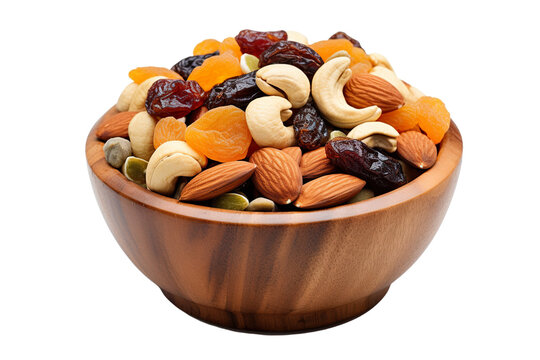
Maintaining a healthy daily diet does not require drastic changes or complicated meal plans. Small, consistent choices make the biggest difference over time. One of the easiest ways to improve daily nutrition is by including dry fruits in your regular diet. Dry fruits are naturally rich in essential nutrients and provide sustained energy when consumed in the right quantity.
Understanding how to include dry fruits in a healthy daily diet helps you gain their benefits without overconsumption.
Why Dry Fruits Are Important in Daily Nutrition
Dry fruits are concentrated sources of nutrients such as healthy fats, fibre, vitamins and minerals. Unlike processed snacks, they provide natural energy and help maintain satiety. When consumed mindfully, dry fruits support overall wellness and reduce unnecessary snacking.
Some key reasons to include dry fruits daily include:
- Natural source of plant-based energy
- Supports brain and heart health
- Helps maintain balanced nutrition
- Convenient and easy to consume
Best Time to Eat Dry Fruits in a Day
The timing of dry fruit consumption plays an important role in how your body absorbs nutrients.
Morning:
Soaked almonds, walnuts and raisins are commonly consumed in the morning. This helps improve digestion and provides energy for the day ahead.
Mid-day:
Cashews or pistachios can be eaten as a light snack to maintain energy levels between meals.
Evening:
A small portion of mixed dry fruits can replace unhealthy snacks, provided portion size is controlled.
How Much Dry Fruits Should You Eat Daily
Although dry fruits are healthy, they are calorie-dense. Therefore, moderation is essential. A small handful of mixed dry fruits per day is generally sufficient for most people.
For example:
- Almonds: 4–6 pieces
- Walnuts: 2 halves
- Cashews or pistachios: small handful
- Raisins: 1 tablespoon
Listening to your body and maintaining balance is more important than strict measurement.
Simple Ways to Add Dry Fruits to Your Daily Diet
Including dry fruits in your daily routine does not have to be repetitive. Here are some easy ideas:
- Add chopped almonds and raisins to breakfast cereals
- Blend dry fruits into smoothies
- Use cashews and pistachios in cooking
- Snack on roasted dry fruits instead of packaged foods
- Mix dry fruits with yogurt or milk
Different varieties offer different textures and tastes, making daily consumption enjoyable.
Choosing the Right Quality Dry Fruits
The nutritional value of dry fruits depends greatly on their quality. Fresh, properly stored dry fruits retain their natural oils and nutrients. Poor quality or stale dry fruits may lose both taste and health benefits.
At Mudgil Royal Delight, we focus on sourcing premium dry fruits that are hygienically packed and carefully handled to maintain freshness and quality.
Who Should Include Dry Fruits in Their Diet
Dry fruits are suitable for:
- Working professionals needing sustained energy
- Students focusing on concentration and learning
- Families looking for healthier snack options
- Older adults seeking balanced nutrition
However, individuals should adjust portions based on lifestyle and dietary needs.
Final Thoughts
Learning how to include dry fruits in a healthy daily diet helps build sustainable eating habits. When consumed in moderation and combined with a balanced lifestyle, dry fruits can support long-term wellness naturally. Focus on quality, timing and portion control to enjoy their full benefits.