


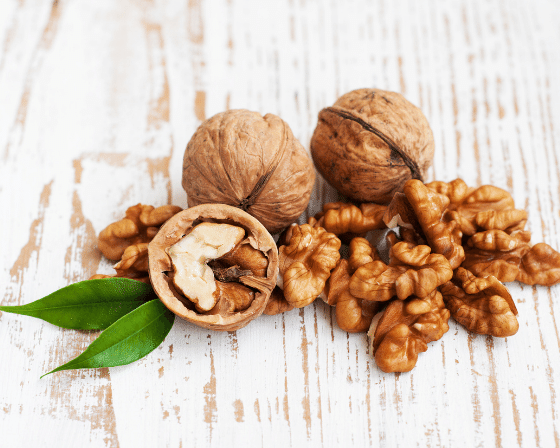
Walnuts are a popular dry fruit known for their rich taste and health benefits, but many buyers get confused when choosing between walnut kernels and whole walnuts. While both come from the same nut, they differ in form, usage, price and convenience.
In this guide, we compare walnut kernels vs whole walnuts based on price, uses, storage and buying purpose, so you can decide which option suits your daily needs or special occasions.
What Are Walnut Kernels?
Walnut kernels are shelled walnuts, meaning the hard outer shell has been removed, leaving the edible nut inside. These are ready to eat and extremely convenient for everyday use.
Key Features of Walnut Kernels:
- No shell, ready to consume
- Saves time and effort
- Easy to use in cooking and baking
- Ideal for daily consumption
Common Uses:
- Adding to salads, oatmeal, and smoothies
- Baking cakes, brownies, and cookies
- Making walnut paste for gravies
- Direct snacking
What Are Whole Walnuts?
Whole walnuts come with their hard outer shell intact. They need to be cracked open before consumption but are preferred by many buyers for their longer shelf life and traditional appeal.
Key Features of Whole Walnuts:
- Natural shell protection
- Longer shelf life
- Usually more economical
- Preferred for bulk buying and gifting
Common Uses:
- Home cracking for fresh consumption
- Festive gifting
- Long-term storage
- Traditional household use
Walnut Kernels vs Whole Walnuts – Key Differences
| Feature | Walnut Kernels | Whole Walnuts |
|---|---|---|
| Form | Without shell | With shell |
| Convenience | Ready to use | Needs cracking |
| Shelf Life | Shorter | Longer |
| Price | Slightly higher | Usually lower |
| Storage | Airtight container | Cool, dry place |
| Best For | Cooking, baking, snacking | Gifting, bulk storage |
Price Difference Between Walnut Kernels and Whole Walnuts
One of the most common questions buyers ask is about the price difference.
- Walnut kernels price is usually higher because:
- Extra processing (shelling & cleaning)
- Higher convenience factor
- Whole walnuts price is generally lower:
- No processing cost
- Shell protects the nut naturally
If convenience matters more than price, kernels are ideal.
If you want better value for money and longer storage, whole walnuts are the better choice.
Uses: Which One Should You Choose?
Choose Walnut Kernels if:
- You cook or bake frequently
- You want ready-to-eat nuts
- You prefer convenience
- You consume walnuts daily
Choose Whole Walnuts if:
- You want longer shelf life
- You plan to store walnuts for months
- You are buying for gifting
- You prefer cracking fresh nuts at home
Which Is Better – Walnut Kernels or Whole Walnuts?
There is no single “better” option- it depends on your usage.
- For daily use & cooking: Walnut kernels
- For long-term storage: Whole walnuts
- For festive gifting: Whole walnuts
- For busy lifestyles: Walnut kernels
Both offer the same nutritional benefits, including healthy fats, antioxidants, and brain-supporting nutrients.
Health Benefits of Walnuts
Regardless of the form, walnuts are known to support:
- Brain health
- Heart health
- Weight management
- Skin and hair health
To understand this in detail, read our guide on Health Benefits of Walnuts for Brain Health
Final Thoughts
Both walnut kernels and whole walnuts have their own advantages. If you want ease and quick use, walnut kernels are perfect. If you value freshness, shelf life, and traditional storage, whole walnuts are a better choice.
Explore premium-quality walnut kernels and whole walnuts at Mudgil Royal Delight and choose the best option for your needs.
Walnut kernels are shelled and ready to eat, while whole walnuts come with the shell intact and need cracking before use. Kernels are more convenient, while whole walnuts stay fresh longer.
Walnut kernels are better for daily use and cooking due to convenience, while whole walnuts are better for long-term storage and gifting because they retain freshness longer.
Yes, walnut kernels usually cost more because they are processed, shelled, and sorted, whereas whole walnuts are less processed and priced lower.
Walnut kernels should be stored in an airtight container in a cool place or refrigerator to prevent them from turning rancid.
Yes, both can be used for cooking, but walnut kernels are preferred because they save preparation time and are easier to measure and use in recipes.